

Dubai continues to attract global attention with its iconic skyline, world-class infrastructure, and diverse lifestyle options. The city’s real estate market offers opportunities across luxury villas, modern apartments, and emerging developments. However, as we move through 2026, the market has shifted from the rapid double-digit growth of previous years to a more moderated phase influenced by increased supply, geopolitical factors, and evolving buyer sentiment.
This guide provides accurate, up-to-date insights for first-time buyers, end-users, and investors. It covers key considerations, realistic returns, potential risks, and practical steps to buy property in Dubai.
Why Dubai Remains Attractive for Property Investment
Dubai’s strategic location between Europe, Asia, and Africa, combined with a business-friendly environment and high quality of life, keeps it appealing. The economy benefits from diversification beyond oil, strong tourism, and residency programs like the Golden Visa.
Key Strengths in 2026:
Competitive Rental Yields:
Dubai still offers some of the highest gross rental yields globally, typically ranging from 5.5% to 8% on average, with apartments often performing better than villas. Yields are stronger (7–9%+) in mid-market and affordable areas such as Jumeirah Village Circle (JVC), Dubai Silicon Oasis, and Dubai South. In prime locations like Downtown Dubai (around 5.8%), Dubai Marina (around 6.2%), and Palm Jumeirah (often 4–6%), yields are more modest but supported by strong rental demand and brand prestige.
Tax Advantages:
There is no personal income tax on rental income, no capital gains tax for individuals, and no annual property tax on residential properties. This significantly improves net returns compared to many international markets. Buyers should note the one-time 4% Dubai Land Department (DLD) transfer fee and ongoing service charges in communities.
Robust Infrastructure and Lifestyle:
Excellent roads, metro expansions, airports, and amenities support long-term value. Family-oriented communities with parks, schools, and golf courses remain popular.
Investor-Friendly Regulations:
The market is regulated by the Dubai Land Department (DLD) and Real Estate Regulatory Agency (RERA). Foreigners can own freehold property in designated areas with clear legal protections via escrow accounts for off-plan purchases.
While these fundamentals remain strong, 2026 has seen moderating transaction volumes and some price softness in certain segments due to a large pipeline of new supply and external uncertainties.
Types of Properties Available in Dubai
Dubai offers varied options to suit different budgets and goals:
Luxury Villas and Townhouses
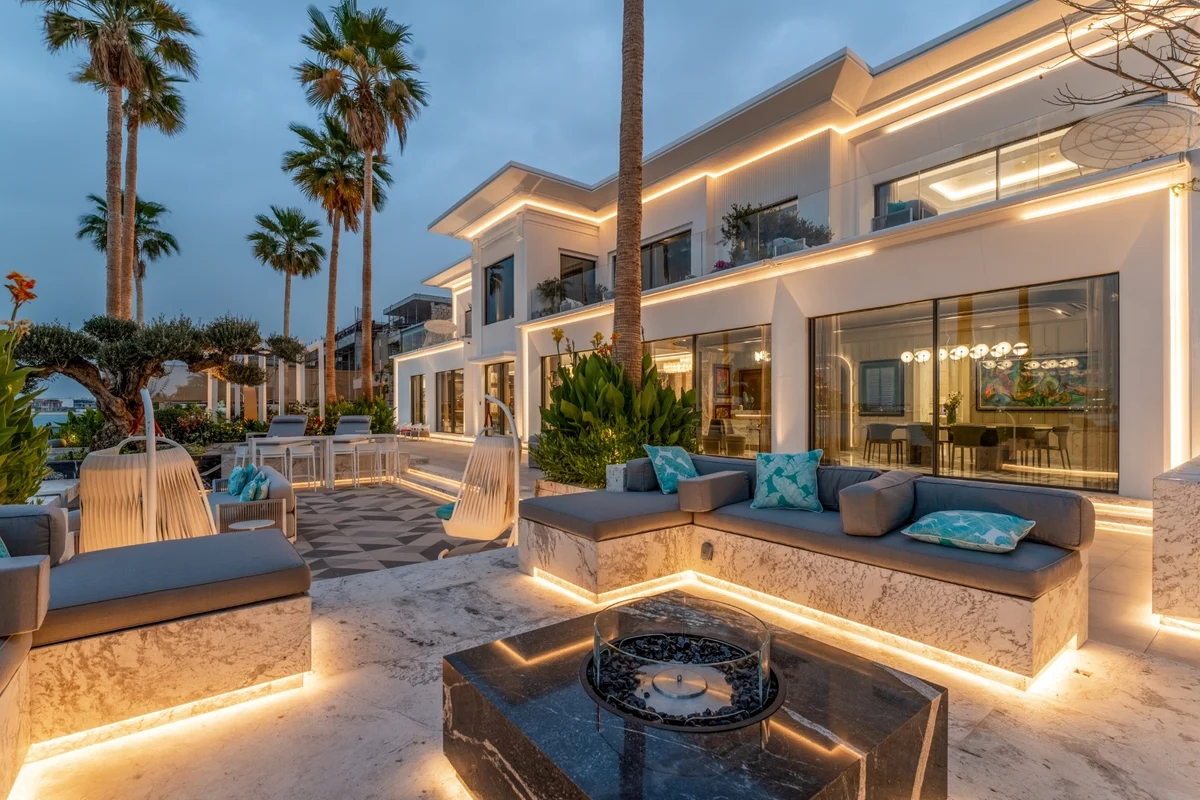
Found in exclusive communities like Palm Jumeirah, Emirates Hills, and Dubai Hills Estate. These provide privacy, gardens, pools, and community facilities. Yields are generally lower (around 4–6% for villas), but they appeal to families and long-term residents seeking capital preservation and lifestyle benefits.
Apartments and High-Rise Residences
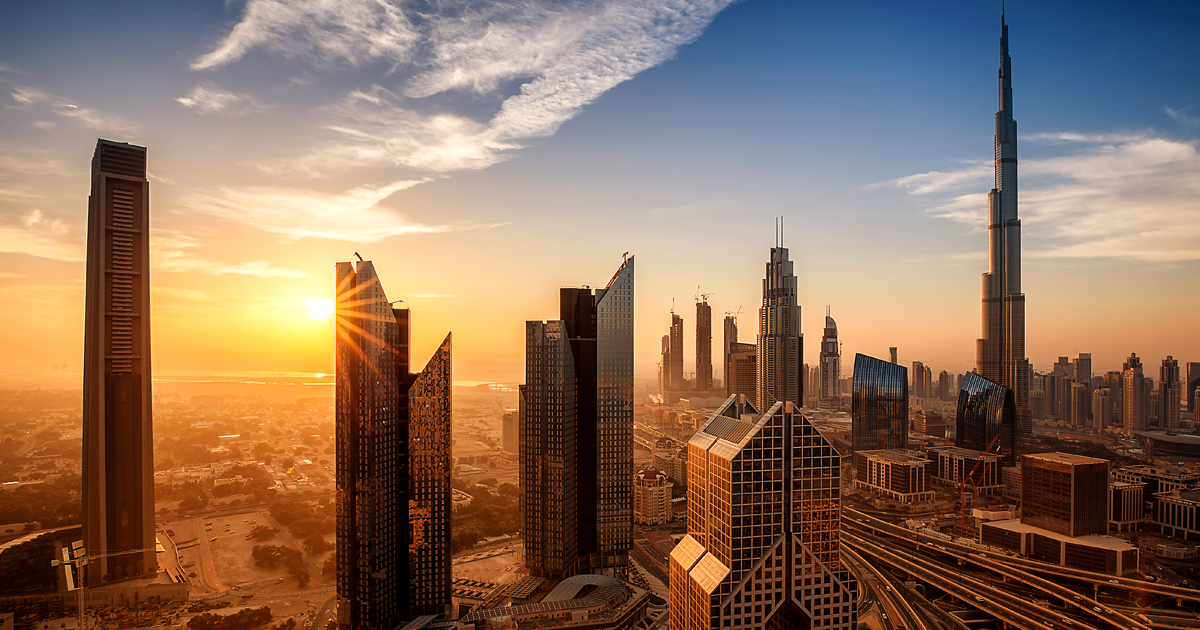
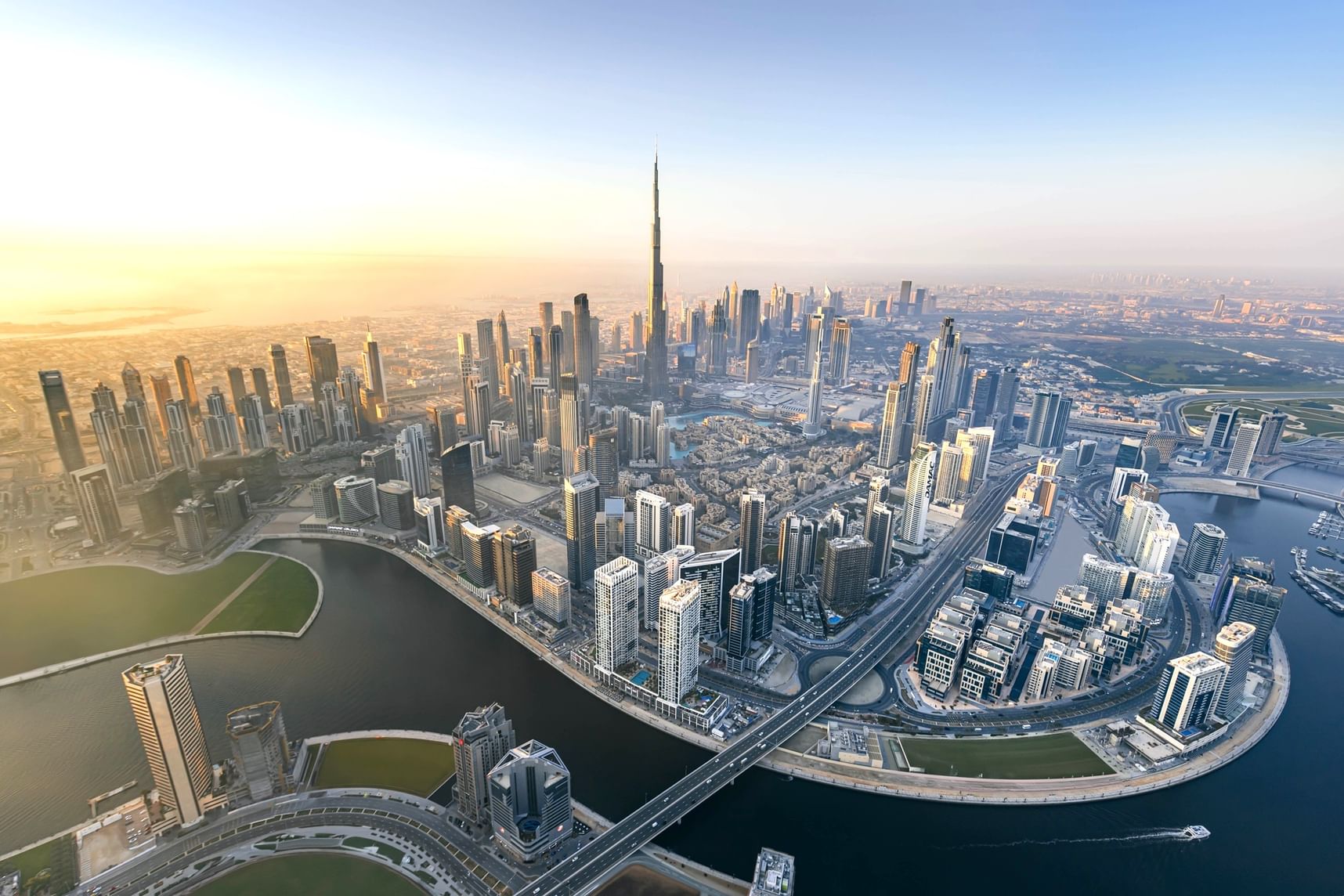
Iconic towers in Downtown Dubai, Dubai Marina, Business Bay, and JLT offer city or waterfront views. Studios to penthouses cater to young professionals and investors. Apartments typically deliver higher yields than villas.
Off-Plan Properties
Buying before completion from reputable developers (Emaar, Damac, Nakheel, Sobha) can include flexible payment plans (e.g., 10/70/20 or similar) and potential early discounts. However, this segment carries risks: construction delays (though regulated), no immediate rental income during the build period (often 2–4 years), and resale challenges if market sentiment softens. In 2026, off-plan still dominates transactions (around 70% in Q1), but buyers should prioritize established developers with strong track records and avoid overly speculative projects.
Commercial Real Estate
Office spaces, retail, and warehouses in DIFC, Business Bay, and Dubai Silicon Oasis benefit from Dubai’s role as a regional business hub. Demand remains steady but requires careful analysis of occupancy and economic cycles.
Key Areas to Consider in 2026
Each neighborhood has distinct appeal:
Downtown Dubai:
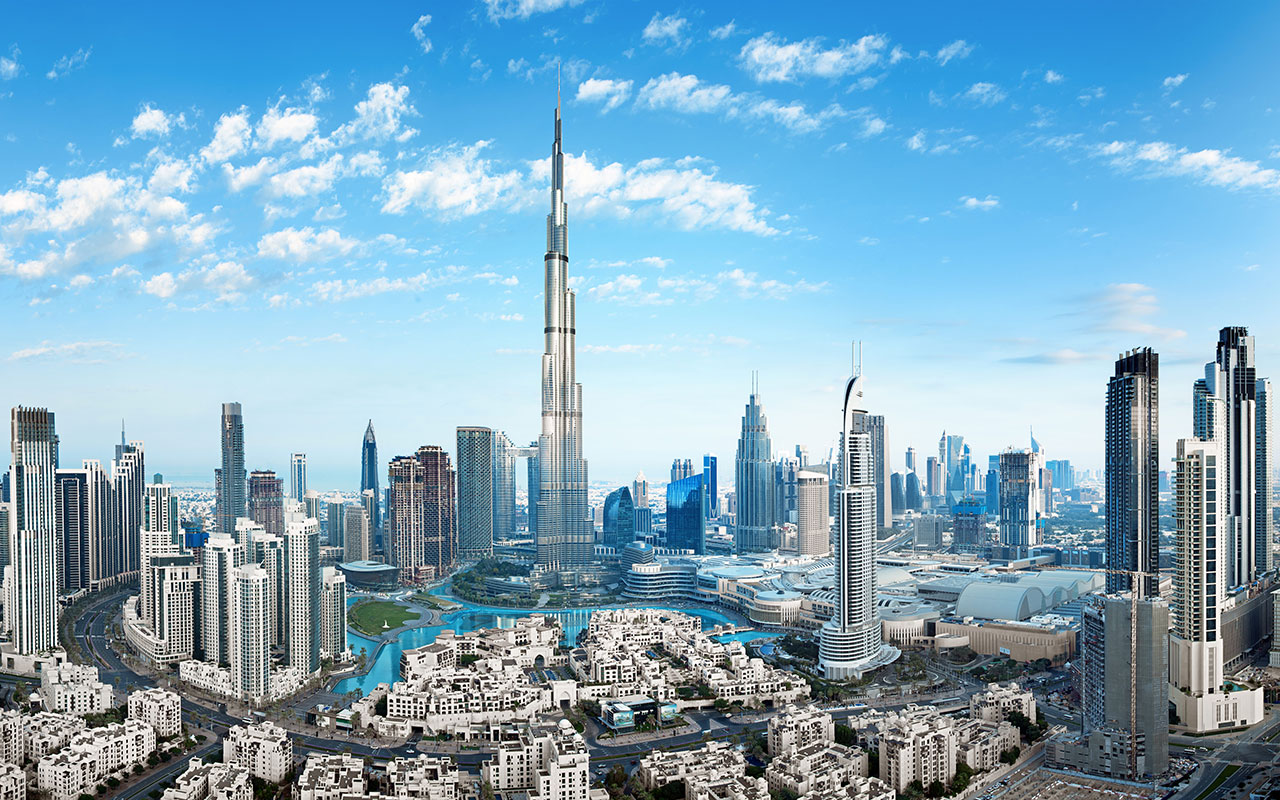
Heart of the city with Burj Khalifa and Dubai Fountain views. Ideal for luxury living and prestige, but yields are moderate (around 5.8%) and prices are premium. Strong for capital appreciation in stable times.
Dubai Marina:
Vibrant waterfront lifestyle with dining, beaches, and nightlife. Popular with expatriates. Yields hover around 6–7%. Good rental demand but competitive supply.
Dubai Hills Estate:
Master-planned family community with parks, golf courses, and schools. Balanced option for end-users and investors seeking long-term growth. Yields typically 5–6% for apartments and lower for villas.
Palm Jumeirah:
Iconic address with luxury villas and apartments. Brand value supports premium pricing and solid (though not the highest) rental demand. Yields often in the 4–6% range.
Dubai Creek Harbour:
An emerging waterfront district with significant ongoing development. It features new apartments, townhouses, and major projects, including the revived Dubai Creek Tower plans. Positioned as a future landmark area with strong long-term potential, though some units are still under construction and infrastructure delivery timelines matter.
Other high-yield areas worth exploring include JVC, Dubai South, and Business Bay for investors prioritizing cash flow over prestige.
Realistic Market Outlook for 2026
After several years of strong growth, Dubai’s residential market is transitioning to a more sustainable phase. Price appreciation has moderated, with some segments experiencing flat or slightly softer conditions amid a large supply pipeline (tens of thousands of units expected in 2026–2027). Analysts note potential localized corrections of 7–15% in oversupplied mid-market areas, while prime and family-oriented communities may remain more resilient.
Rental demand stays supported by population growth and economic activity, but rental growth is expected to slow compared to previous peaks. Overall, Dubai continues to outperform many global cities on yields, but investors should adopt a 5–10+ year horizon rather than expecting quick flips.
Steps to Buying Property in Dubai (Updated for 2026)
The process is transparent but requires due diligence:
Define Your Goals and Budget
Clarify whether you seek rental income, capital growth, or personal use. Factor in all costs: purchase price + 4% DLD transfer fee (usually paid by buyer) + 2% agent commission (negotiable) + trustee/registration fees + potential mortgage costs. Budget an extra 6–8% on top of the property price for a realistic total.
Research and Engage Professionals
Use RERA-licensed agents and consultants. Verify developer credibility for off-plan purchases via DLD records.
Secure Financing (If Needed)
Expats can access mortgages, typically requiring 20–35% down payment depending on property value and residency status. Banks need proof of income and other documents.
Sign the Agreement
Start with a Memorandum of Understanding (MOU/Form F) and deposit (often 10%). For off-plan, ensure escrow protection.
Complete the Transfer
Finalize at the Dubai Land Department. Receive the title deed once payments and fees are cleared.
Foreign buyers enjoy the same rights as locals in freehold zones, and qualifying investments (AED 2 million+) may support Golden Visa eligibility (recent policy updates have streamlined some requirements).
Why Dubai Still Appeals to International Investors
Despite short-term moderation, Dubai’s tax-free environment, high relative yields, safety, and ongoing infrastructure investments position it well for patient investors. The market rewards thorough research — focusing on quality locations, reputable developers, and realistic expectations rather than hype.
Conclusion
Dubai’s real estate market in 2026 offers genuine opportunities across luxury, mid-market, and emerging areas — from high-rise apartments with skyline views to spacious family villas. While rental yields remain attractive by global standards and tax benefits enhance returns, the market is maturing. Expect more balanced (rather than exponential) growth, with risks concentrated in oversupplied segments and off-plan speculation.
Success depends on due diligence: understand yields by specific area and property type, budget for all costs (including the 4% DLD fee and service charges), assess developer reliability, and align choices with your risk tolerance and time horizon. Consult licensed professionals, review current DLD data, and consider both ready and carefully selected off-plan options.
Whether buying for living or investment, Dubai provides a dynamic environment — but informed decisions, not assumptions of endless rapid gains, will deliver the best outcomes in today’s market.