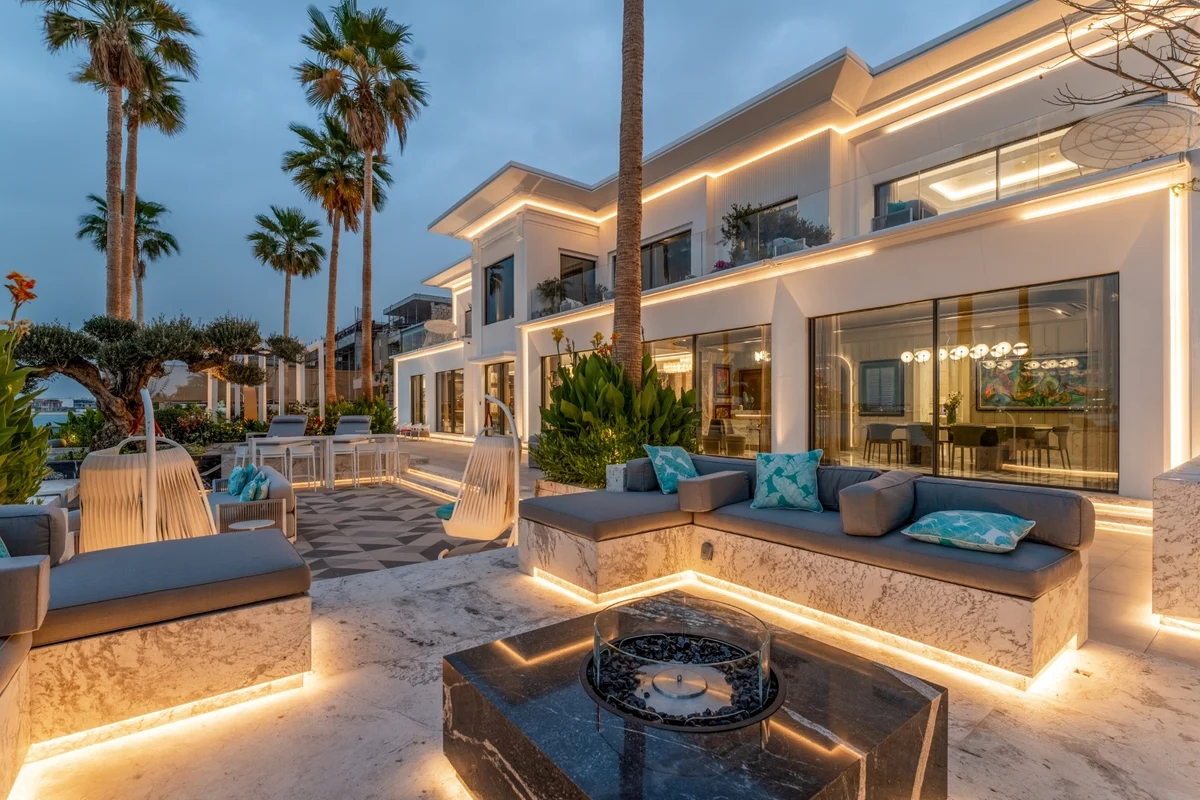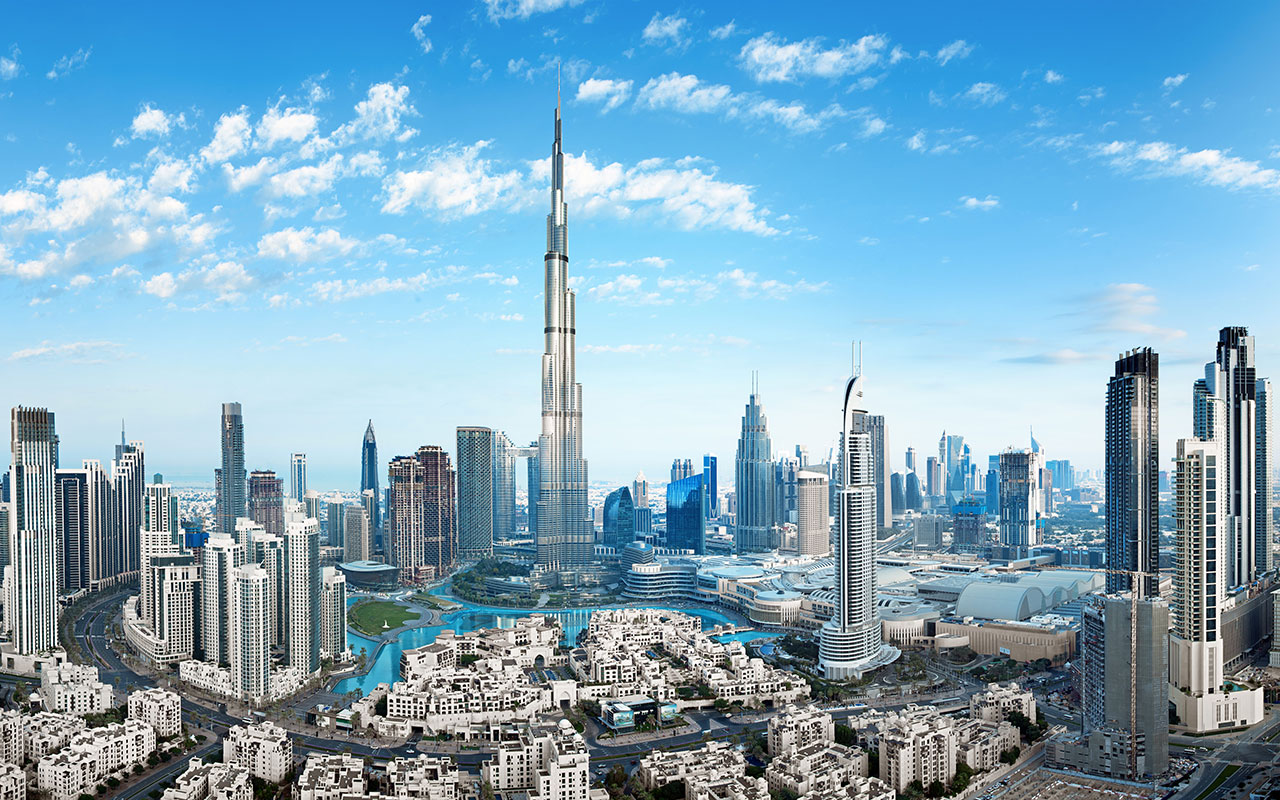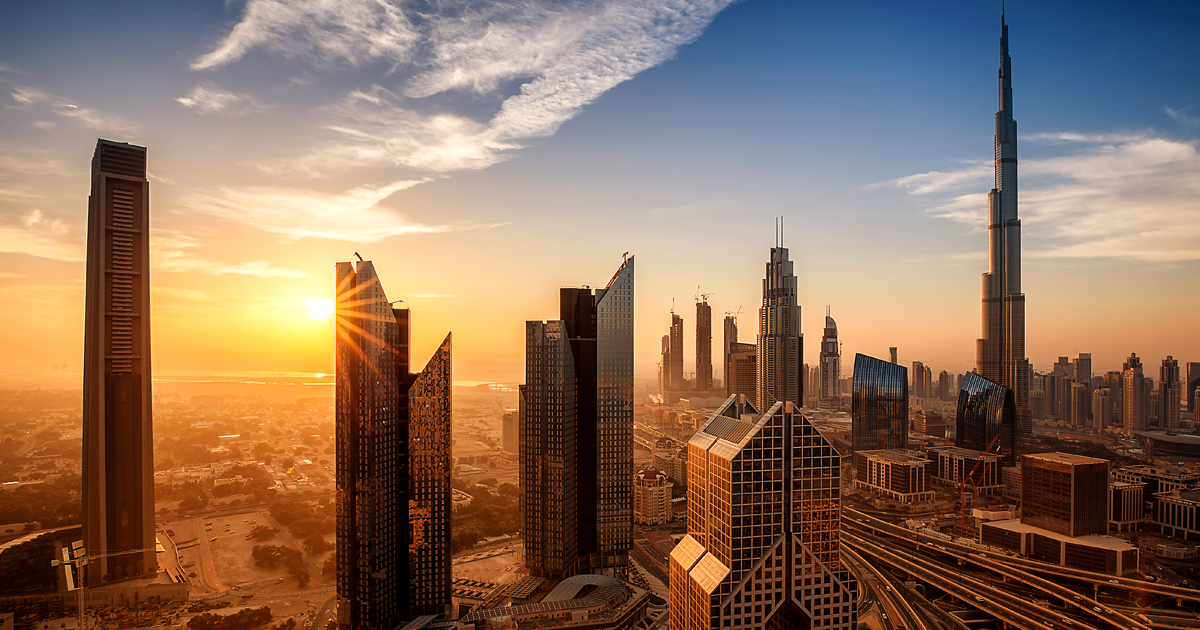


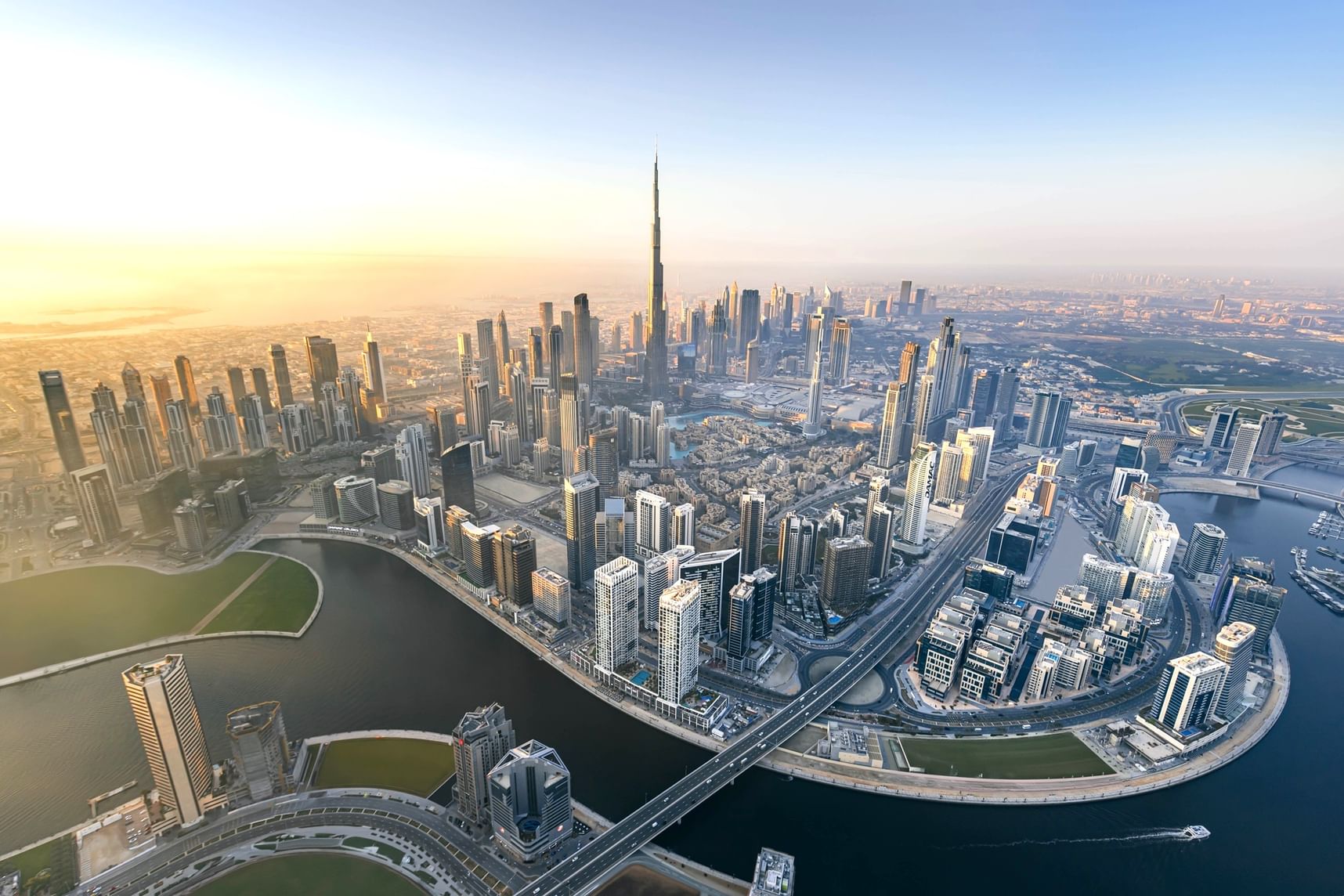
Dubai has cemented its position as one of the world’s most dynamic real estate markets, attracting investors with its iconic skyline, tax advantages, and world-class infrastructure. As of early 2026, the market is transitioning from the exceptional boom of 2024–2025 into a more balanced and sustainable phase. Transaction volumes hit record highs in 2025, but analysts note moderating growth amid a significant wave of new supply. This guide provides a transparent, data-driven overview of the current landscape, key investment areas, genuine drivers of value, regulations, potential risks, and practical tips for informed decision-making. Whether you are a first-time investor or expanding an existing portfolio, understanding both the opportunities and the realities is essential for long-term success.
The Dubai Real Estate Landscape in 2026
Dubai’s property market offers a wide spectrum of options — from ultra-luxury villas and penthouses to mid-market apartments and commercial spaces. Renowned developers such as Emaar, DAMAC, and Nakheel continue to shape the skyline, while newer players contribute to emerging communities. The city’s economy remains robust, supported by diversification into tourism, technology, logistics, and finance. Population growth and a large expatriate base sustain demand for both rental and owner-occupied properties.
However, the market is not uniform. Prime established areas tend to emphasize capital appreciation and lifestyle prestige, while more affordable or developing neighbourhoods often deliver stronger rental yields. Gross rental yields across Dubai average approximately 6.5–7% for apartments (higher than many global cities), but net yields after costs are typically 1–2 percentage points lower. Supply is a key theme in 2026: over 50,000–110,000 new residential units are expected to be delivered this year, which is significantly above the 10-year historical average. This influx is prompting a shift toward price and rental stabilization in certain segments rather than continued rapid escalation.
Key Areas to Invest in Real Estate in Dubai
Choosing the right location depends on your goals — high rental income, capital growth, lifestyle, or a mix. Here is a realistic assessment of the five areas highlighted in many investor discussions, based on 2026 data from sources such as Property Monitor, Bayut, and Engel & Völkers.
Downtown Dubai
Home to the Burj Khalifa and Dubai Mall, this remains a premium address blending luxury apartments, high-end villas, and commercial space. It appeals to investors seeking prestige and strong tenant demand from professionals and tourists. Gross rental yields typically range from 5.8–6.5%. Capital appreciation has been solid historically, but purchase prices are among the highest in the city. Ideal for long-term wealth preservation rather than maximum income yield.
Dubai Marina
This vibrant waterfront community offers upscale apartments, townhouses, and retail with stunning Arabian Gulf views. Popular with expats, it provides a sophisticated urban lifestyle and reliable rental demand. Average gross yields sit at 6–6.5% (with short-term/Airbnb options sometimes pushing higher). Liquidity is excellent, and occupancy rates remain strong at 85–92%. It balances lifestyle appeal with moderate returns.
Palm Jumeirah
The iconic artificial island continues to attract buyers of luxury villas and apartments seeking exclusivity and sea views. While demand for ultra-luxury segments remains resilient, percentage rental yields are lower — typically 4–5.5% — because of elevated property values. This area prioritizes capital appreciation and brand prestige over income generation. Supply is relatively limited, which supports price stability.
Dubai Hills Estate
A master-planned, family-oriented community featuring villas, apartments, golf courses, parks, and schools. It offers a suburban feel with easy access to major amenities. Gross yields average around 6.1%. The green, community-focused environment makes it attractive for long-term residential investment and steady rental demand from families.
Jumeirah Village Circle (JVC)
This up-and-coming, more affordable district has rapidly gained popularity for its modern apartments, proximity to major roads, schools, and retail. It consistently ranks among the top performers for rental yields, often delivering 7–8% gross (studios and one-bedrooms frequently exceed 7.5%). Entry prices are more accessible than prime areas, making it suitable for investors prioritizing income. Tenant demand from young professionals and families remains robust.
Other notable mentions for higher yields include Dubai Investments Park, Discovery Gardens, and Dubai South, where returns can reach 7–9%+ in select segments. Investors should compare gross versus net yields and factor in service charges before deciding.
Why Invest in Real Estate in Dubai?
Tax Advantages
Dubai offers a genuinely investor-friendly tax regime: there is no capital gains tax, no inheritance tax under UAE law, and no annual property tax based on property value. Rental income is also free from personal income tax for most individual investors. These benefits significantly boost net returns compared to markets like the UK, US, or Europe.
However, owners do face recurring costs. A Dubai Municipality housing fee — equivalent to 5% of the property’s annual rental value — is collected via DEWA bills (typically AED 2,000–8,000 per year for a standard apartment). Additionally, service charges for maintenance of common areas (pools, gyms, security) can range from AED 10–28+ per square foot annually in luxury developments. These reduce net yields and should be budgeted carefully.
Rental Yields and Income Potential
Dubai’s rental yields remain among the strongest globally, with apartments averaging 7%+ in many mid-tier communities. High expatriate demand and tourism support occupancy rates. Yields are generally stronger in affordable and emerging areas like JVC than in ultra-prime locations, where capital growth often plays a larger role. Short-term rentals can enhance returns in tourist-heavy zones, but local regulations apply.
Government Initiatives and Infrastructure
Policies such as long-term Golden Visas (available for properties valued at AED 2 million or more), the Dubai 2040 Urban Master Plan, and digital services from the Dubai Land Department (DLD) continue to support the sector. The 2040 Plan emphasizes sustainable growth, green spaces, and new economic corridors, which should drive demand in aligned communities over the coming decade. Infrastructure projects, including Metro expansions, further enhance connectivity and property values.
Growing Economy and Diverse Options
Dubai’s economy is expanding steadily, with strong inflows from tourism, business, and global talent. Properties cater to every budget and preference — luxury, mid-market, off-plan, or ready — allowing portfolio diversification. Foreign investors enjoy freehold ownership in designated areas, including all the neighbourhoods listed above.
Real Estate Regulations in Dubai
The regulatory framework is transparent and investor-friendly. Foreigners may purchase freehold property in approved zones. The DLD and Real Estate Regulatory Agency (RERA) oversee transactions, ensuring escrow accounts protect off-plan buyers and mandatory registration provides legal security.
The buying process is relatively straightforward: due diligence on title deeds, payment of a 4% DLD transfer fee, and agent commissions (usually 2%). Golden Visa eligibility requires a minimum AED 2 million investment (mortgaged properties can qualify under updated rules). Always verify developer RERA registration and project status via official DLD portals.
Tips for Investing in Dubai Real Estate
- Conduct Thorough Research: Analyse current yields, occupancy, and supply pipelines using DLD, Bayut, or Property Finder data. Compare gross and net figures.
- Focus on Net Returns and Long-Term Perspective: Prioritise properties where service charges and municipality fees do not erode yields excessively. View investments over 5–10 years to ride out any short-term moderation.
- Perform Due Diligence: Verify developer track records, RERA approvals, escrow arrangements (for off-plan), and service charge histories. Engage a RERA-licensed agent or independent advisor. For off-plan purchases, review payment plans (commonly 60/40 or similar) and completion timelines.
- Understand Costs and Financing: Budget for DLD fees, agent commissions, registration, and ongoing charges. Mortgages are available but require credit checks and down payments.
- Seek Professional Advice: Consult qualified real estate consultants, lawyers, and financial advisors familiar with both Dubai and your home-country tax implications (e.g., Indian residents should consider FEMA and income tax rules on foreign property).
- Diversify Wisely: Balance high-yield affordable areas with stable prime locations to spread risk.
Conclusion
Dubai’s real estate market in 2026 continues to offer compelling opportunities driven by tax efficiency, strong fundamentals, and visionary planning under the Dubai 2040 framework. Yields remain attractive by global standards, and the city’s infrastructure and lifestyle draw sustained demand. That said, the influx of new supply calls for caution and selectivity — this is a market that rewards informed, patient investors rather than speculative buying.
By focusing on realistic data, net returns, rigorous due diligence, and a long-term horizon, you can position yourself to benefit from Dubai’s ongoing growth while mitigating risks. The opportunities are real, but success depends on approaching them with clear eyes and professional guidance. Always verify the latest figures directly from official sources before making any commitment.