

Dubai continues to attract global investors with its modern infrastructure, vibrant lifestyle, tax-efficient environment, and strong rental demand. The city offers freehold ownership opportunities for foreigners in designated areas, supported by a transparent regulatory framework from the Dubai Land Department (DLD) and the Real Estate Regulatory Agency (RERA).
This updated 2026 guide provides accurate, realistic information on the benefits, process, costs, residency options, popular areas, and key considerations when buying property in Dubai. It addresses common misconceptions and emphasizes the importance of due diligence for informed decision-making. Whether you seek rental income, long-term capital growth, or a potential base in the UAE, success depends on aligning your choice with clear goals and thorough research.
Why Consider Property Investment in Dubai?
Dubai stands out for several compelling reasons:
Tax Advantages:
There is no annual property tax, no capital gains tax on resale, and no income tax on rental earnings. This structure helps maximize net returns compared to many other international markets.
Rental Yields:
Dubai typically delivers attractive gross rental yields, often in the 6–8% range in well-selected areas, supported by steady expat demand and a diverse economy.
Ownership Flexibility:
Foreign buyers can own property outright (freehold) in approved zones, with strong legal protections ensuring secure title deeds.
Lifestyle and Infrastructure:
World-class amenities, connectivity, and ongoing development projects create a desirable living and investment environment.
Residency Pathways:
Property ownership can support eligibility for UAE residency visas, adding practical value for investors and families.
The market offers stability through government oversight, but it is dynamic. Different segments perform differently based on location, property type, and economic conditions. A long-term perspective (typically 5–10+ years) is generally more suitable than short-term speculation.
Types of Properties Available
Dubai caters to various investor profiles with diverse options:
Apartments:
The most popular choice for many buyers, ranging from compact studios to luxury penthouses in high-rise buildings. They often appeal for rental income and convenience.
Villas and Townhouses:
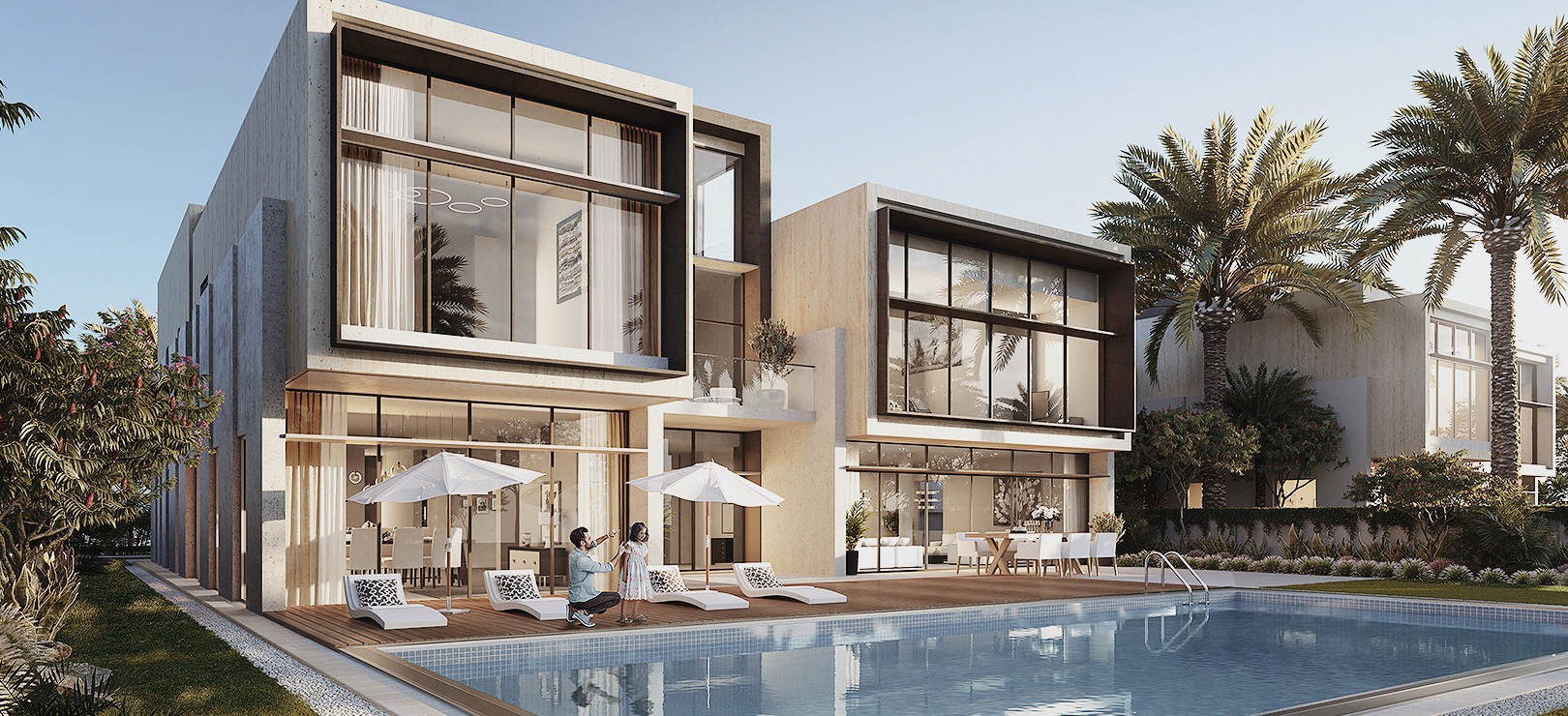
Ideal for families or those seeking more space and privacy. These are commonly found in master-planned communities with parks, schools, and recreational facilities.
Commercial Properties:
Retail, office, or mixed-use spaces suit investors focused on business-oriented income streams, though they may require more active management.
Off-Plan Properties:
Units purchased before completion, usually at competitive entry points with structured payment plans spread over the construction period. These can offer potential for value uplift upon handover, provided the developer is reputable.
Each type has its own risk-reward profile. Apartments often provide better liquidity and yields for investors, while villas emphasize lifestyle and family appeal.
Popular Areas to Consider in 2026
Location significantly influences rental demand, yields, lifestyle, and long-term potential. Here are some frequently recommended areas:
Dubai Marina and Jumeirah Lake Towers (JLT):
Waterfront living with vibrant dining, leisure, and transport links. Strong appeal for professionals and short-to-medium-term rentals.
Downtown Dubai:
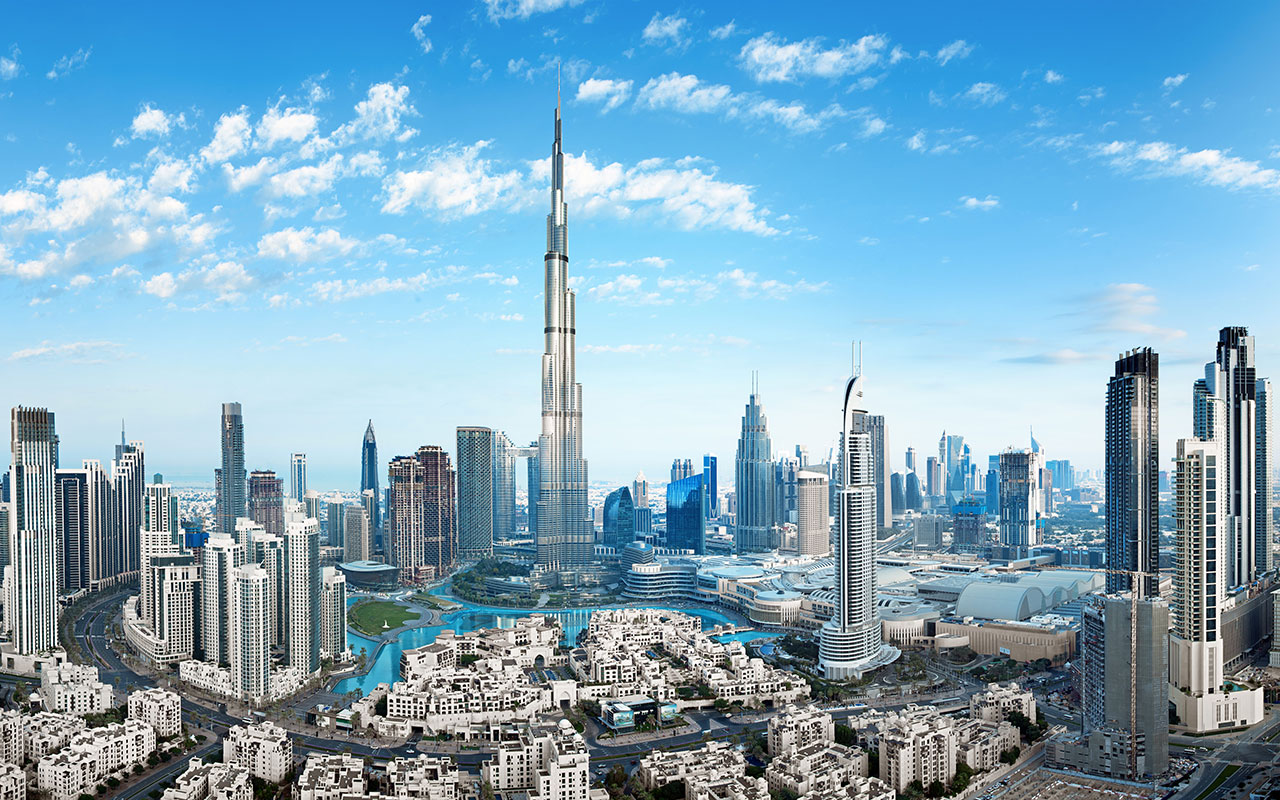
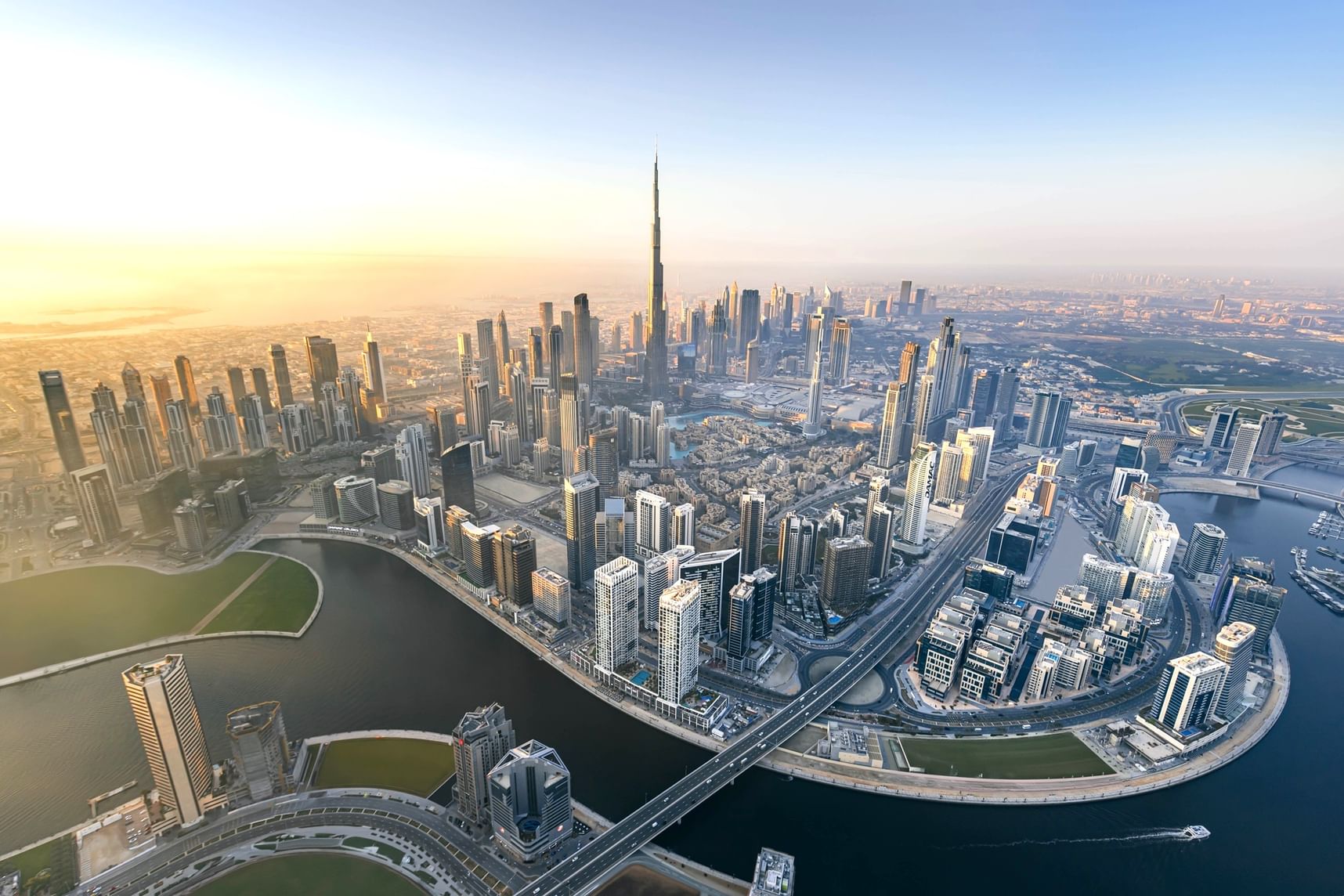
Iconic setting near landmarks like the Burj Khalifa and Dubai Mall. High visibility and prestige, though competition for tenants can vary.
Palm Jumeirah:
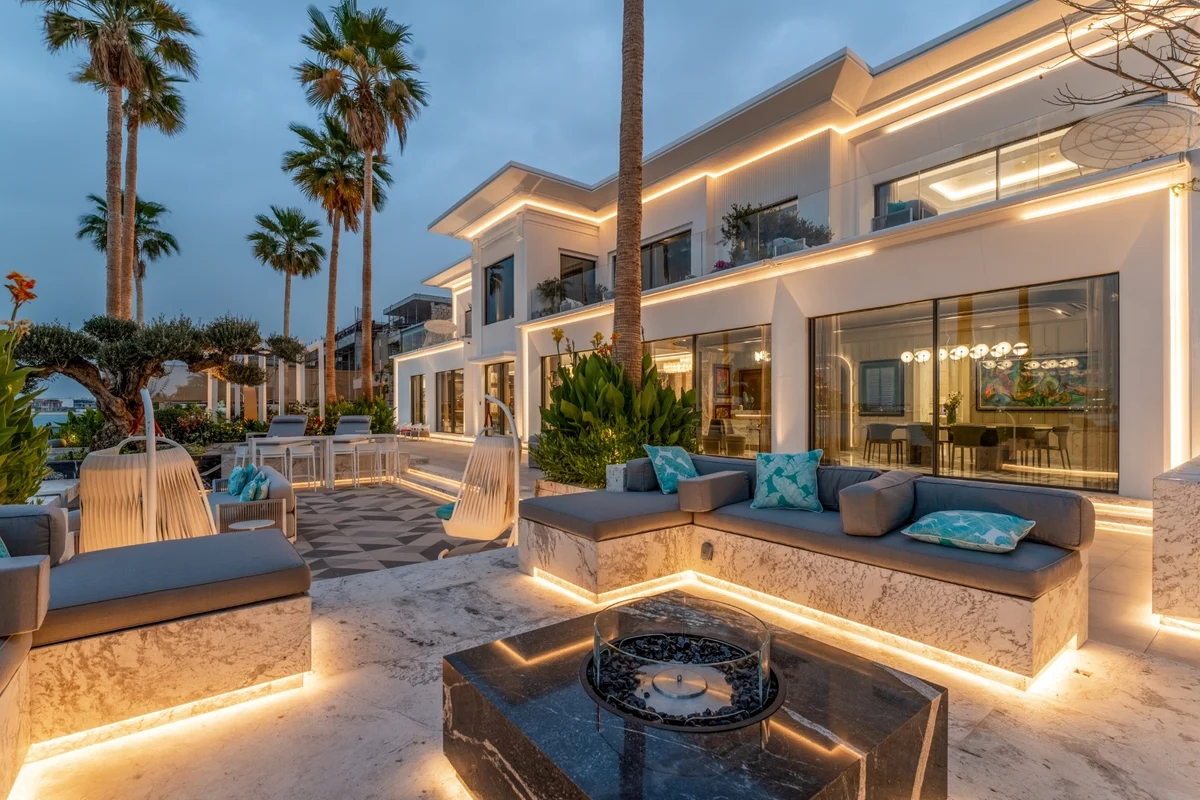
Exclusive man-made island known for luxury villas and apartments. It offers premium lifestyle but typically comes with higher service charges.
Dubai Hills Estate:
A family-friendly community blending residential space with green areas, golf, and amenities. Popular for those prioritizing quality of life.
Jumeirah Village Circle (JVC) and Arjan:
More affordable entry points with solid rental demand from a broad tenant base. These areas often attract investors seeking balanced returns.
Dubai South and Expo City area:
An emerging zone benefiting from infrastructure growth, airport proximity, and long-term development plans. It shows promise for future appreciation and rental demand.
Selection should match your objectives — prestige and views versus higher rental yields and affordability. Research current tenant demand, occupancy trends, and community management quality for any specific building.
The Step-by-Step Buying Process
Buying property in Dubai follows a structured, regulated path:
Engage a Licensed Professional:
Work exclusively with RERA-registered real estate agents. They can help identify suitable options and navigate documentation.
Verify Eligibility:
Confirm the property is in a freehold area open to non-UAE nationals (most popular communities qualify).
Arrange Financing (Optional):
Banks offer mortgages to both residents and non-residents, with loan-to-value ratios varying by profile and lender. Obtain pre-approval early if needed.
Sign the Agreement:
For resale properties, a Memorandum of Understanding (MoU) or Sale and Purchase Agreement (SPA) is signed. For off-plan, developers use standardized forms with escrow protections.
Conduct Due Diligence:
Review the developer’s track record (for off-plan), title status, service charges, and any outstanding liabilities. Independent legal advice is advisable.
Complete the Transfer:
Finalize at a DLD-approved trustee office or through the digital portal. You receive the official title deed in your name.
Ready properties can close in a few weeks, while off-plan timelines align with construction milestones.
Residency Options Linked to Property Ownership
Property investment can facilitate UAE residency, but requirements are specific:
- 2-Year Renewable Investor Visa (often called Taskeen in Dubai): Generally available for completed residential properties valued at AED 750,000 or more.
- Golden Visa (Long-Term Residency): Typically requires a minimum investment of AED 2 million in one or more properties. This can include off-plan units and mortgaged properties under certain conditions (subject to official valuation and approvals). The Golden Visa is usually valid for 5 or 10 years (renewable) and can extend to family members.
These visas are not automatic. Applications are processed through relevant authorities such as the ICP (Federal Authority for Identity, Citizenship, Customs & Port Security). Rules may evolve, so always verify the latest eligibility directly with official government sources before committing to a purchase. Factors like property completion status, ownership share, and holding periods can influence outcomes.
Special Considerations for Off-Plan Properties
Off-plan purchases remain popular due to flexible payment plans (e.g., installments during construction) and the opportunity to enter at an earlier stage. Buyer protections include mandatory RERA registration, dedicated escrow accounts, and milestone-based fund releases.
Potential Benefits:
- Lower initial commitment compared to completed units.
- Structured payments aligned with construction progress.
- Possibility of resale in the secondary market before handover.
Final Thoughts
Buying property in Dubai can offer tax efficiency, rental income potential, lifestyle benefits, and a pathway toward residency. The city’s regulated environment and ongoing development provide a solid foundation for investors.
However, results depend on careful selection of location, property type, and developer, combined with realistic expectations. The market rewards informed, patient buyers who prioritize quality and due diligence over hype.
This guide is for educational purposes only and does not constitute financial, legal, or investment advice. Property values and rental performance can vary, and individual circumstances differ. Consult licensed professionals, review the latest information from the Dubai Land Department (dubailand.gov.ae), RERA, and official visa authorities before proceeding. For buyers from regions like India, also consider remittance rules and home-country regulations.